Our regenerative farming mission started about seven years ago when we hit a crossroads. It became clear that our methods weren’t sustainable—environmentally or economically. Our soil was becoming depleted, and our bottom line wasn’t improving. We knew we had to do something to take responsibility, not just for our land today, but for our future.
Our mission of “returning to our roots” is more than just a nod to the past; it is a commitment to creating a greater impact. By developing healthier ecosystems, we are ensuring a legacy for our children and future generations, living out our mission just as our ancestors did.
“We realized we couldn’t continue to farm the way we had for the past 50 years.”
Our ancestors understood the rhythm of the land long before “regenerative” was a buzzword. They grazed sheep, used natural fertilizers, and avoided heavy chemical inputs, letting nature take its course.
Our sheep aren’t just for show. They are the heartbeat of our regenerative system—naturally fertilizing the soil and eliminating the need for heavy machinery and fuel.
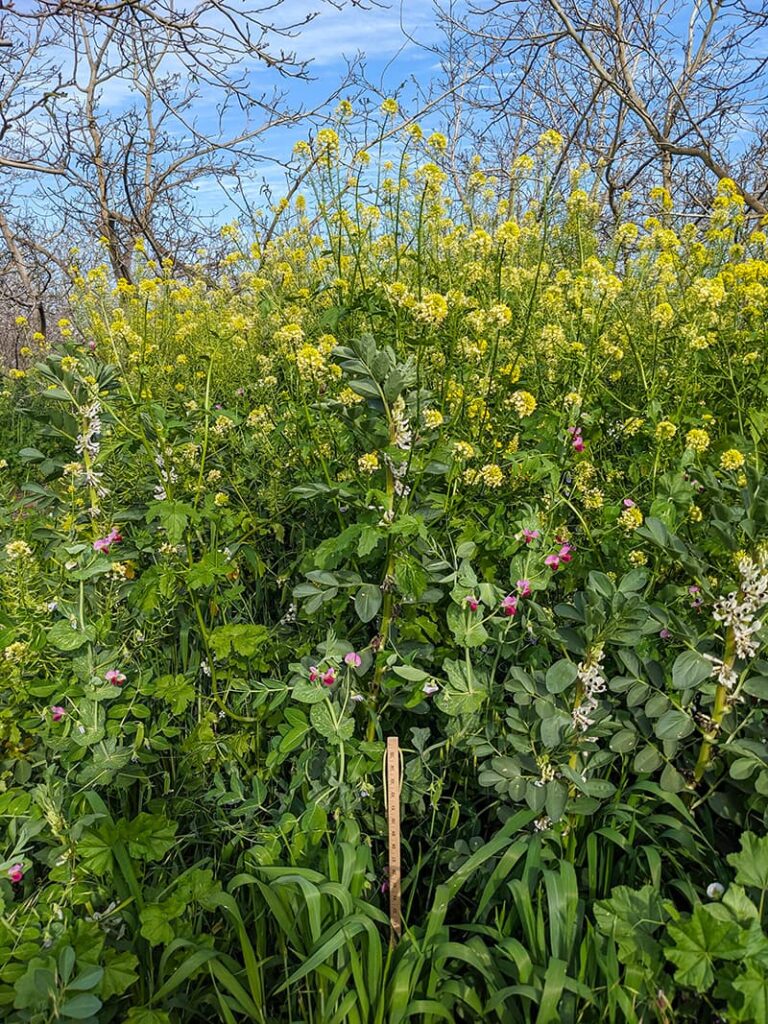
While these four crops are physically different, they share a common nursery: a regenerative soil ecosystem. By using sheep for grazing and diverse cover crops, we create a nutrient-dense environment that results in a cleaner, more flavorful harvest.